Intro #
This year’s book journey turned into a casual stroll through the land of the Vampyr, Nosferatu, or, as commonly named and spelled, the Vampire.
It was a strange trio of books that fed into the next. I assume that one can hardly be called a student of the vampire without having read at least the first two of these seminal works of vampire lore.
This post is a personal review of the books as well as a story of how I came to acquire the books in the first place.
Get the books here! #
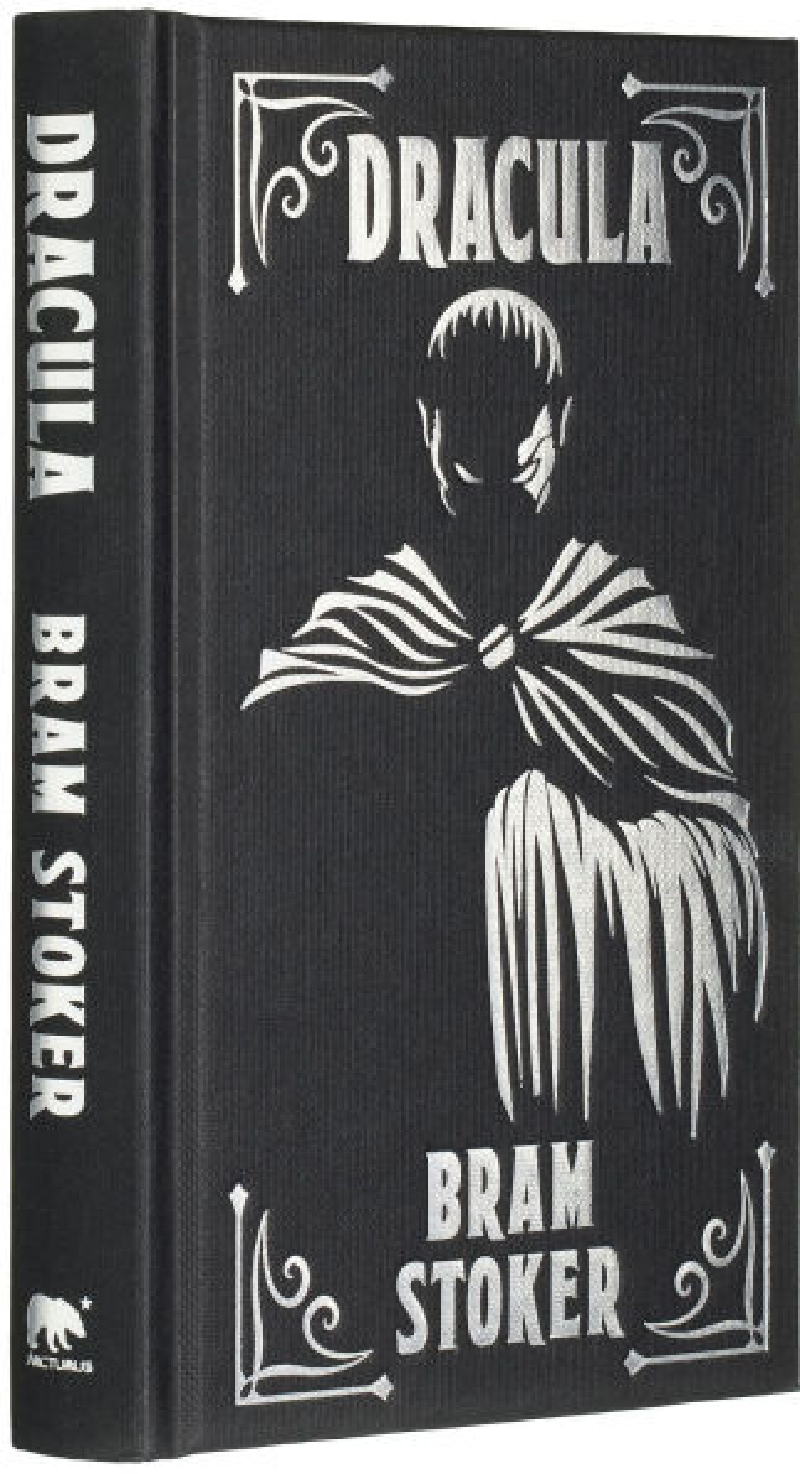
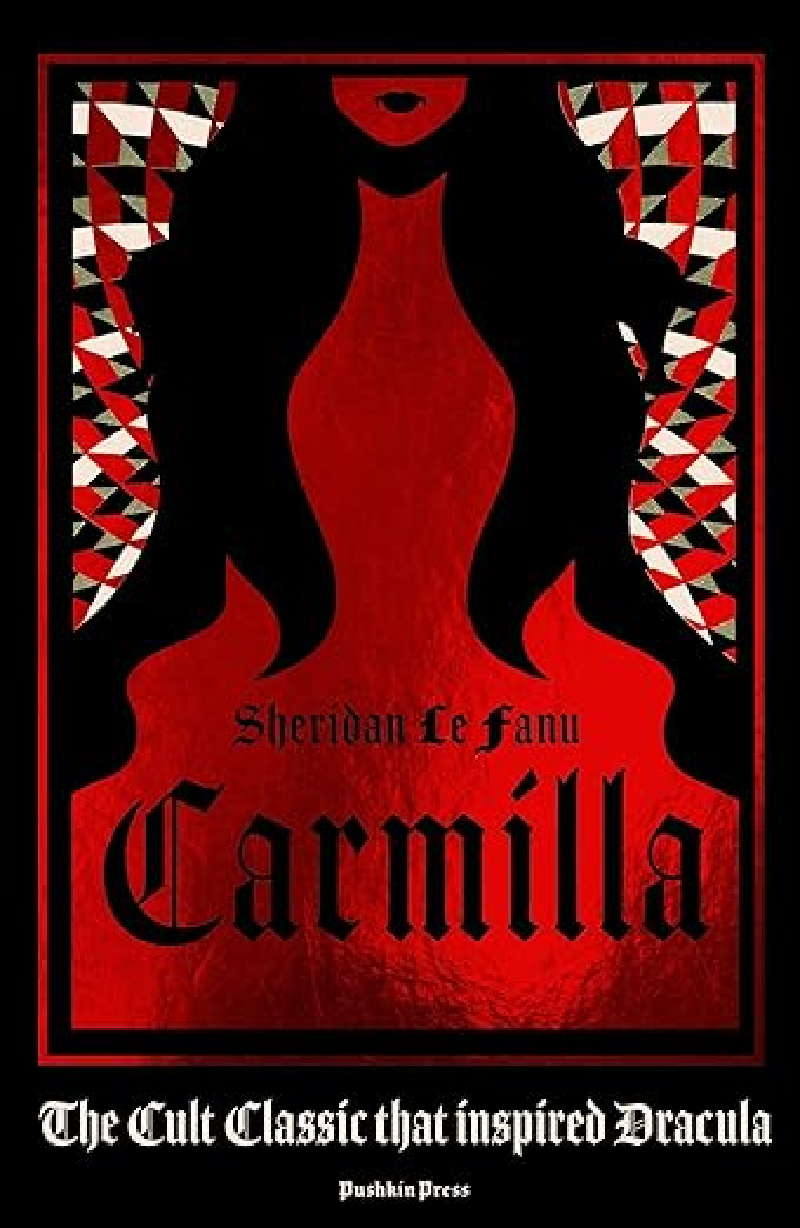
Click any of the images to jump to Barnes and Noble to get them. I don’t get any money for sending you to Barnes and Noble :-(.
An interest not fully pursued #
I’ve always been interested in reading the stories at the core of society that regardless of positive or negative review continue to tendril themselves into the future.
I’m not sure when reading these mythical stories became a fascination. Even so I have never quite dedicated myself to it entirely. It’s like a distant dream that I have accepted will never come to be.
A Casual Walk Through Book Shelves #
I was walking the streets of a small town whose name no longer sticks to the walls of memory. As is typical of my habit, I aspirationally stepped into a “yard sale” book store to see what gems they might have that I would never make enough time to read.
I really enjoy these types of book stores. They don’t present the same commercial facade that Barnes and Noble has. There’s nothing against Barnes and Noble since they are very reliable at providing me the exact commercially printed copy of a book that I’m looking for and giving me the ability to order it online makes it easy. However, whatever makes them excel in convenience they lack in serendipity department.
This bookstore gave the real sense that all the books there were no longer in print or easily found, that if I bought a copy of a book the store did not have another 50 or 100 copies on hand to restock the shelves with.
As I looked at the books I saw the title of Dracula. My curiosity for reading about the prototypical vampire came alive…at least enough to buy the book. So, I did.
Barnes and Noble #
Good intentions are like dreams we never pull into reality. The book went onto my bookshelf and there it lay for a time. I read about 3 pages that first day and still remember learning the word “epistolary” and its meaning from this book.
A year or more later I walked into a Barnes and Noble and the employee pointed out some books to me that I might be interested in. I mentioned my interest in myths and legends and Carmilla came up as a suggestion. It was suggested in a way that made it sound like Bram Stoker had read Carmilla and become inspired to create his iconic version of the vampire.
I was intrigued. But not quite enough to buy it this time around.
Castlevania #
The Netflix series Castlevania is an amazing animated series that I would recommend to anyone. The first season was watched out of curiosity. My passing interest in video games has given me enough exposure to understand that Castlevania is an old video game where you enter the castle of Dracula and battle demons and frights to concquer the castle and its hellish owner. Knowing that, but having never actually played the game, was enough to want to see the Netflix series.
The other curiosity was to see if Castelvania’s take on the vampire would be more than just a romanticized Twilight vampire.
The Netflix series delivered in great fashion and I watched the second season very quickly after it aired as well. One of the memorable moments in the first season was seeing that somehow Carmilla had been incorporated into the same setting as Dracula himself.
Back to Barnes and Noble #
I want back to Barnes and Noble and bought Carmilla. I was convinced that I would now read them both. I didn’t.
An e-reader experience #
I ended up having to put these books into a storage unit. The events leading to that are not relevant to this post but suffice it to say that I felt like a hypocrite. I had bought these books to read and now they would go into storage to never be read again. I might as well burn them now and save myself the space.
I resigned myself to them being in storage but my e-reader and a digital library card allowed me to read both these classics from the comfort of a digital page because apparently flipping real pages is becoming a lost art. Thank you to Libby allowing me to borrow a digital version of the book and the fact that both these books are in the public domain because of how old they are.
Fate: Apocrypha #
I don’t know exactly where the Fate Apocrypha series makes its mark on this timeline but I know it played a role in reading Dracula as well. Here’s how it is related.
In real hisory Vlad III, commonly known as Vlad the Impaler, or Vlad Dracula, was a prince of Wallachia.
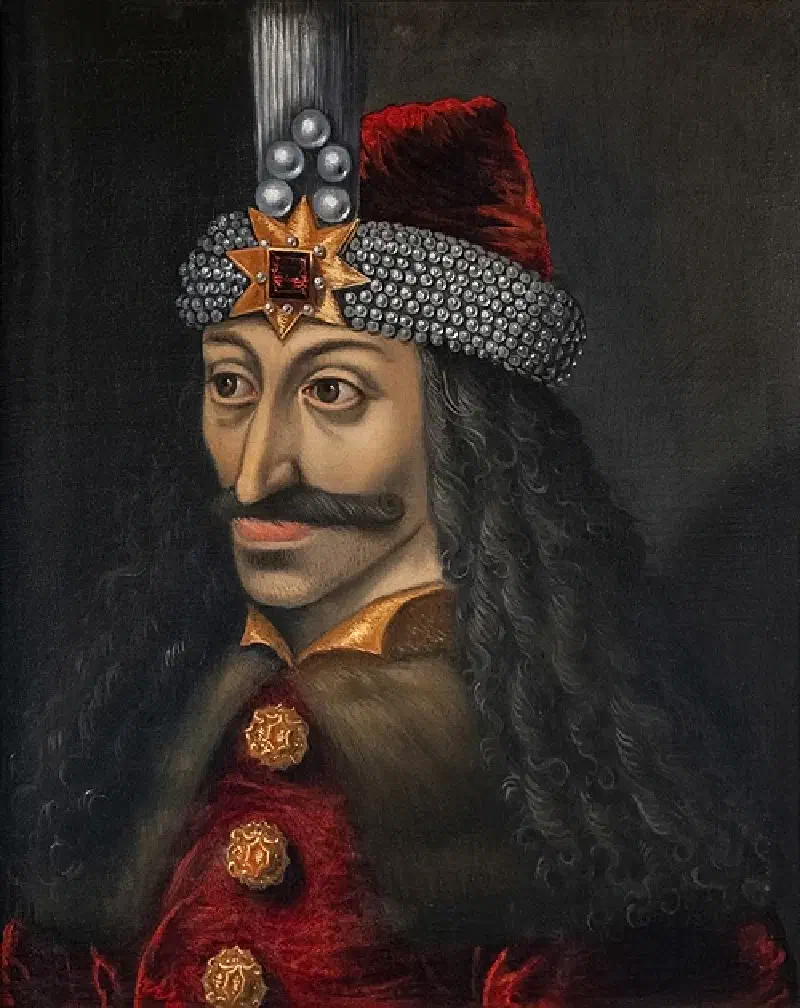
Vlad Dracula is the son of Vlad Dracul (without the a). In Slavic, Dracul means “the dragon” and Dracula means “son of the dragon”. This name, Dracula inspired the name of Bram Stoker’s Count Dracula.
The Fate Apocrypha series explores the legends and myths of heroes in the collective unconscious. In the case of Dracula, the series creates a character named Vlad Țepeș that is supposed to represent the historically real Vlad Dracula I mentioned above. However, the series goes a step further and combines the historical figure with the fictional Count Dracula from Bram Stoker’s book into one character.
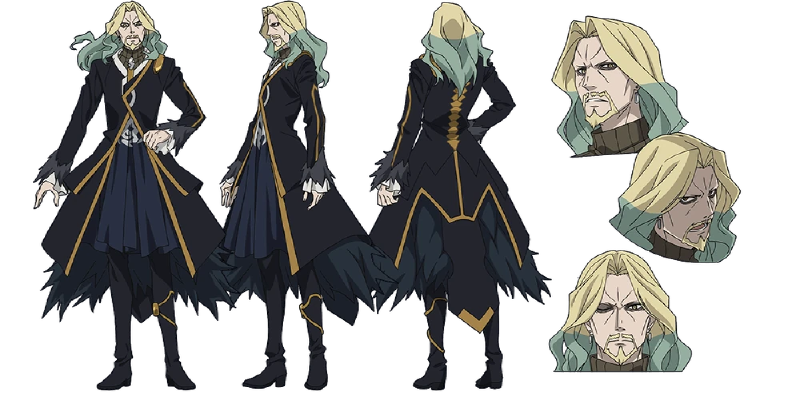
Without having looked into the history of it, I confess that I myself thought Count Dracula and Vlad Dracula were the ‘same’ person even though they’re not.
Watching Fate Apocrypha, and learning through the series that they’re not the same person also led me to look up more information which ultimately led to me actually reading the books.
Going for extra credit #
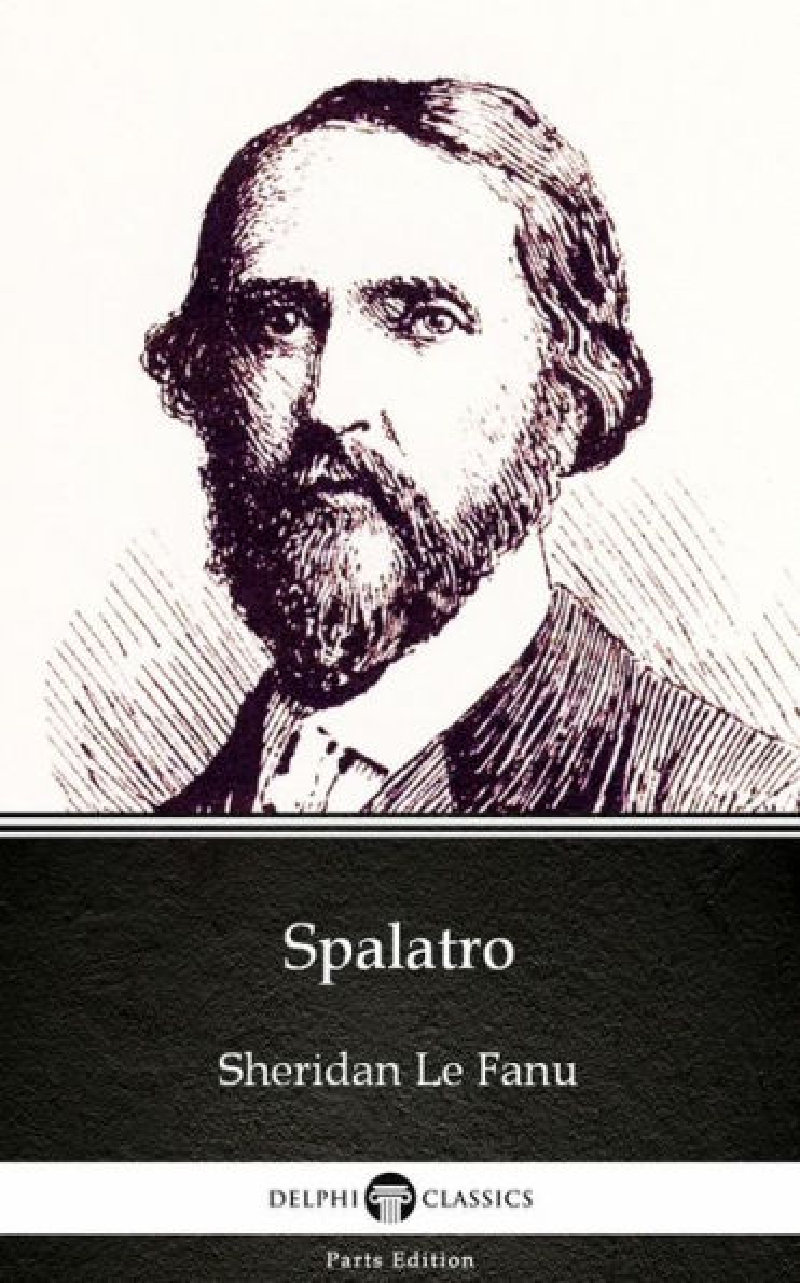
After reading LeFanu’s Carmilla I saw a review of the story mention a lessor known work by the same auther titled Spalatro. I read that as well to keep the momentum up so to speak.
Dracula #
I read Dracula first over Carmilla because it’s the original book that sparked my interests and the one that, if I didn’t get to read the others, would be enough to have read.
What surprised me the most is that Dracula has powers in the book that aren’t often mentioned in modern interpretations. For example, in the book he can shapeshift into a bat as we all know from some movies, but I was suprised to learn that in the original story he can also shapeshift into many other forms such as that of a wolf, or a fog or mist. In fact, he can shapeshift into anything but he seems to have found a few favorites.
Another surprising “power” is that he actually is not fatally wounded by sunlight. In fact, in daylight he is essentially a normal human and can move about without any trouble.
A “weird” weakness he has is that in order to recover his strength he not only needs to rest within his coffin, as portrayed by popular films, but he has to rest in a coffin with dirt from his land of Transylvania. In fact, this weakness is what leads to his undoing in the book. If not for this, he would still be roaming about in the night.
In a nutshell, the book explains his attempt to move to London but for this move to be successful he must bring with him dirt from his home country to London to serve as a bed mattress…or coffin mattress? Without this dirt he is like a man without a place to sleep and becomes ever weaker.
Ultimately Dracula is forced to flee for lack of dirt and the heroes of the journey go to unprecedented lengths to give chase and follow him to attain his inevitable end.
This is going to be a huge spoiler, because in modern film there are refereces to vampires that have been alive for millenia and if any should still be roaming the night Dracula must surely be counted amongst these elder vampires. However, that isn’t the exact case because in the book we are met with some degree of a happy ending when his death is recounted to the reader. In fact, his manner of death is rather lazily done because there is almost no fight left in Dracula at this point. He can no longer defend himself in his weakened state, even though there is a big brawl, before the heroes very easily dispose of his body.
In a way this makes Dracula and the height of his power all the more scary and terrifying. Had he been at even a portion of his full strength he would have been able to stand against all the heroes that came to challenge him on his own instead of relying on his band of Slovaks to defend him.
All in all, Dracula, for all the flaws that modern readers seem to find with the story, gets a 5 out of 5 from me. The fact that modern readers can comment on it negatively and that the story still lives on as a cultural fascination is a testament to its power and influence.
Carmilla #
The Barnes and Noble employee that recommended Carmilla positioned it as a more ‘original’ vampire story that Bram Stoker somehow copied and got credit for or that Bram Stoker used as inspiration for his own version. I looked online for some hint of Bram Stoker being influenced by Carmilla but couldn’t find anything definitive. The most popular conjecture is that he was influenced by Carmilla but there is no actual evidence other than Carmilla already having existed before Dracula was published.
Whether or not Stoker was actually influenced seems undeterminable. What I can say is that Carmilla had a similar air of mystery and maybe it was because I had already read the most iconic version of the vampire that I was curious and determined to finish Carmilla.
Carmilla is the protoypical female vampire, as opposed to Dracula being the prototypical male vampire, and her story describes her as a similarly long-lived being that has been preying on humans as long as she has been undead. Her powers are similar to Dracula in that she must also rest in her coffin filled with dirt from her home town but has tremendous strength, cunning, and wisdom as a result of a longer life. She can also shapeshift into a monstrous cat.
One thing that Carmilla introduced that Dracula did not was an origin for the vampire itself and how one can come to exist when none had existed before.
Assume, at starting, a territory perfectly free from that pest…
A person, more or less wicked, puts an end to himself. A suicide, under certain circumstances, becomes a vampire. That specter visits living people in their slumbers; they die, and almost invariably, in the grave, develop into vampires. This happened in the case of the beautiful Mircalla, who was haunted by one of those demons.
That was interesting to read. Dracula didn’t quite explain how Count Dracula became a vampire, as best as I can remember, but Carmilla provided a hint here.
It seems almost implausible for this to occur because wicked people are thought of as having a nature that would sooner exploit others rather than end their lives early. However, that rarity makes the birth of the vampire all the more intriguing to learn about. Somehow the wickedness, transmitted through the suicide’s specter, infects the living while they sleep and like a poison will, after a fashion, take their life, but not completely. The wickedness lives on in the undead in the form of a vampire and causes the newly born nosferatu to visit the wickedness of the suicide on others in the form of bloodsucking.
From then on, the vampire propagates in the way that we commonly know of today; they feed on the blood of others and eventually when the person that is bit dies they become a vampire as well.
The common way of creating a vampire is explained better in Dracula but the origin of the vampire finally has light shed upon it in Carmilla.
Less Popular than Dracula #
I can see why, even in today’s time, Carmilla might not be seen as the prototypical vampire even though the book does provide the etchings of it and is a worthwhile read. Dracula, despite criticisms that it is too long and drawn out, provides a richer, deeper look at the vampire and its capabilities as well as a more epic tale of adventure and stratagem. Other reviews I read point out that the book was published at the perfect time to capitalize on the cultural fear of the foreign other.
Carmilla seems more popular for today’s reader because of its shorter length and its broanching of lesbian/sapphic relationships. It is short enough to overcome the shortening of attention spans in today’s modern world, however, it doesn’t develop the vampire lore as strongly as Dracula.
I’m sure there are other ways to explain why Dracula is considered more iconic. However, it’s common, from what I’ve seen, that today’s modern renditions might often mix both Dracula and Carmilla into the same realm. For example, in Castelvania both Dracula and Carmilla are protrayed as inhabiting the same timeline even though the original books were completely independent.
Spalatro #
Spalatro is a lesser known work from LeFanu. It’s approach is… different. It isn’t exactly a coherent story with a beginning and an end. It reads like a series of loosely related confessions that a prisoner is making to a priest. In fact, that is the story in a nutshell. Spalatro is the evil doer in the story that confesses aspects of his life to the priest. He doesn’t confess them because he wants forgiveness or absolution. Instead he confesses them more to make sure that the uncommon dimensions of life do not go unperceived.
Of the vamipre, Spalatro doesn’t really add much to the already expansive lore that Carmilla and Dracula provide. There is one singular point of novelty related to the vampire that it provides and it’s that not all vampires are wicked and feed on humans with the pleasure that Carmilla and Dracula indulge in. Spalatro falls in love with a “young” vampire girl whose singular beauty marks him for life. She warns him to stay away from her relatives otherwise he risks becoming their slave. He, like any person smitten by their want of another, ignores her warnings. His fate for ignoring the warnings about the cult of the vampire is to become imprisoned by them into doing their bidding until he is arrested and sentenced to death for his crimes.
The book, Spalatro, doesn’t mention the vampire by name but it describes some of its common traits such as feeding on blood and having enduring beauty and health despite living longer than a typical human. It briefly explores that idea that despite being a vampire one can be a good person.
Conclusions #
My desire to become familiar with the original seeds of major legends is deeply satisfied by having read Dracula and Carmilla. Peeking into these stories myself helps me understand how modern variations of the vampire evolved and how the original templates for them were drafted by author’s like Bram Stoker and Joseph Sheridan LeFanu. I do think that the vampire has evolved to be weaker than the original concept in these stories with one example being fatal weakness to sunlight although not present in the original stories. Another example being the loss of their flexible shapeshifting abilities.
The reviews of these books have mentioned that they became popular reads because they preyed upon the fear of the foreign other and the taboo topic of sexuality. This same fear of the foreign other has shapeshifted into fascination, in my opinion, in recent times although to what degree I’m unsure. This fascination can be coupled with an almost self-alienating curiosity such that our own identities change to accommodate the other because we might not be sufficient if we do not accept.
It might be a reach, but it’s fun to think about, that the weakening of the vampire in certain ways is due to accepting the foreign other more openly. Once we shed light on the things that are foreign to us they lose their power and become easier to overcome.
Although it’s nice to contemplate the cultural context of these stories and when they were published I find my interests are captured more by the mythical core of the legends they helped build.